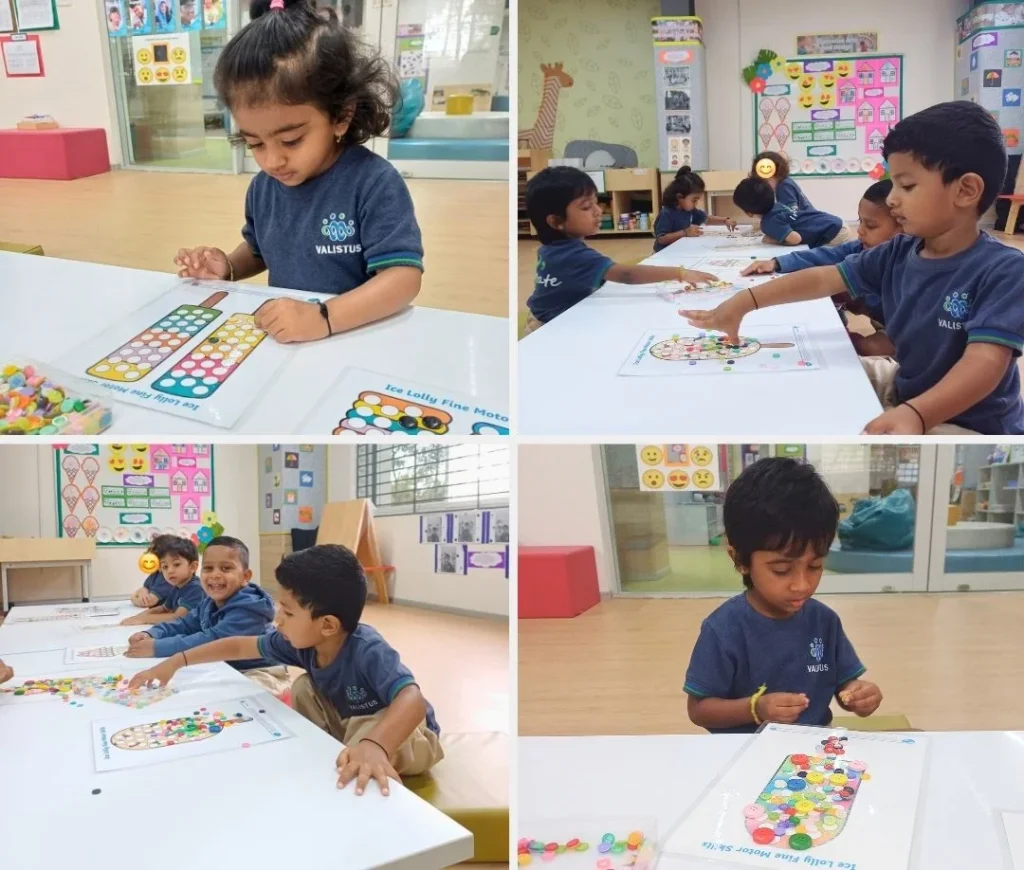

Little Voices, Big Milestones and beautiful learning journeys
9th May 2026
Learning becomes meaningful when students leas the way
11th May 2026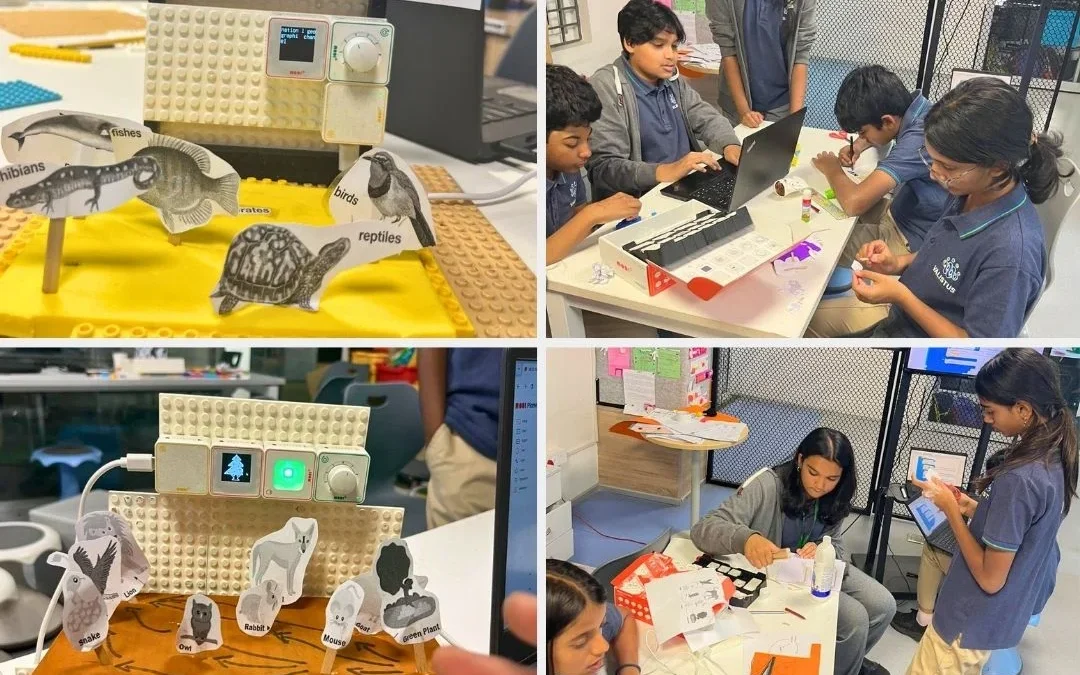
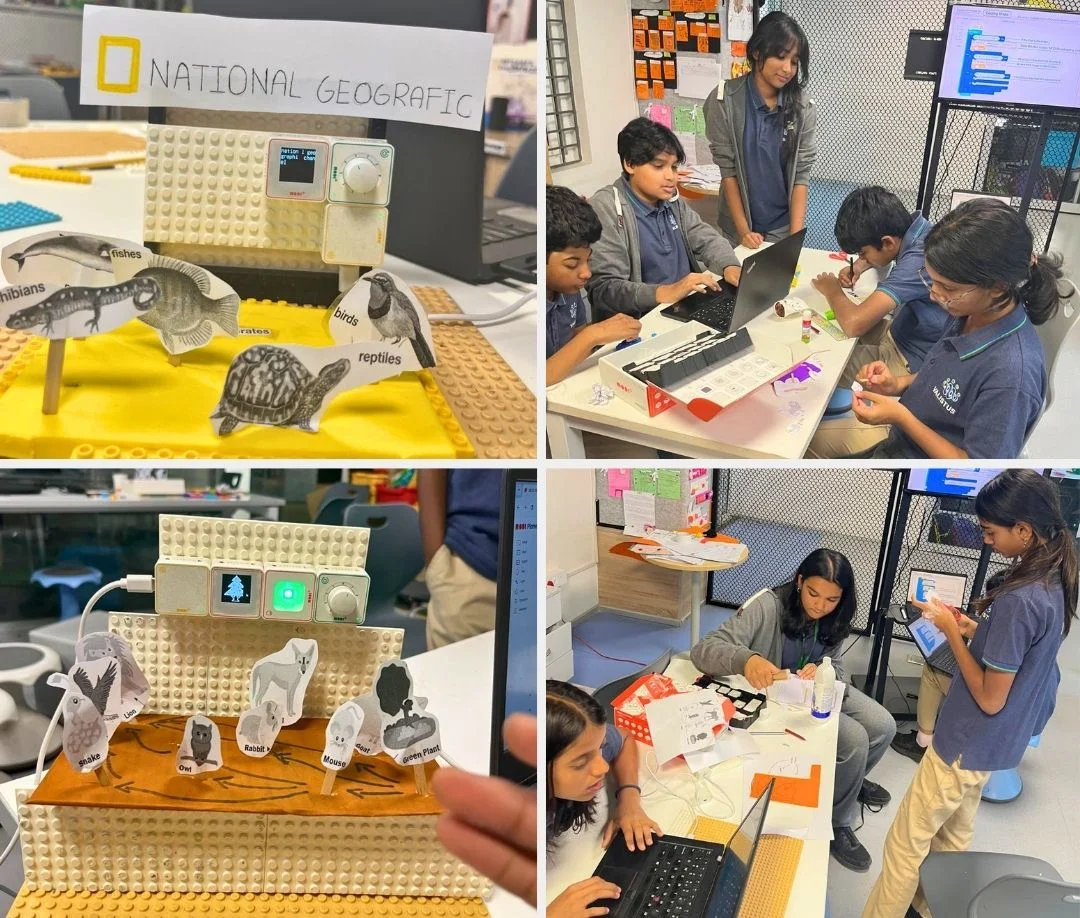
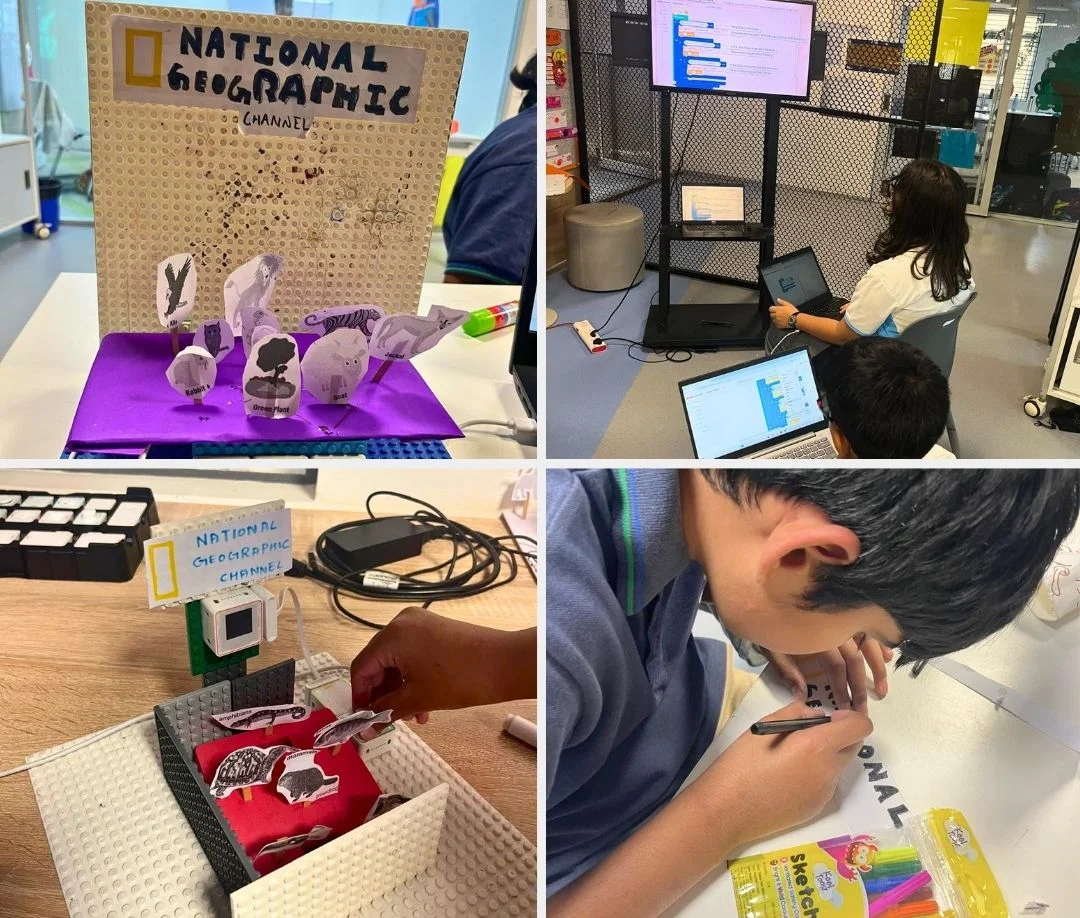
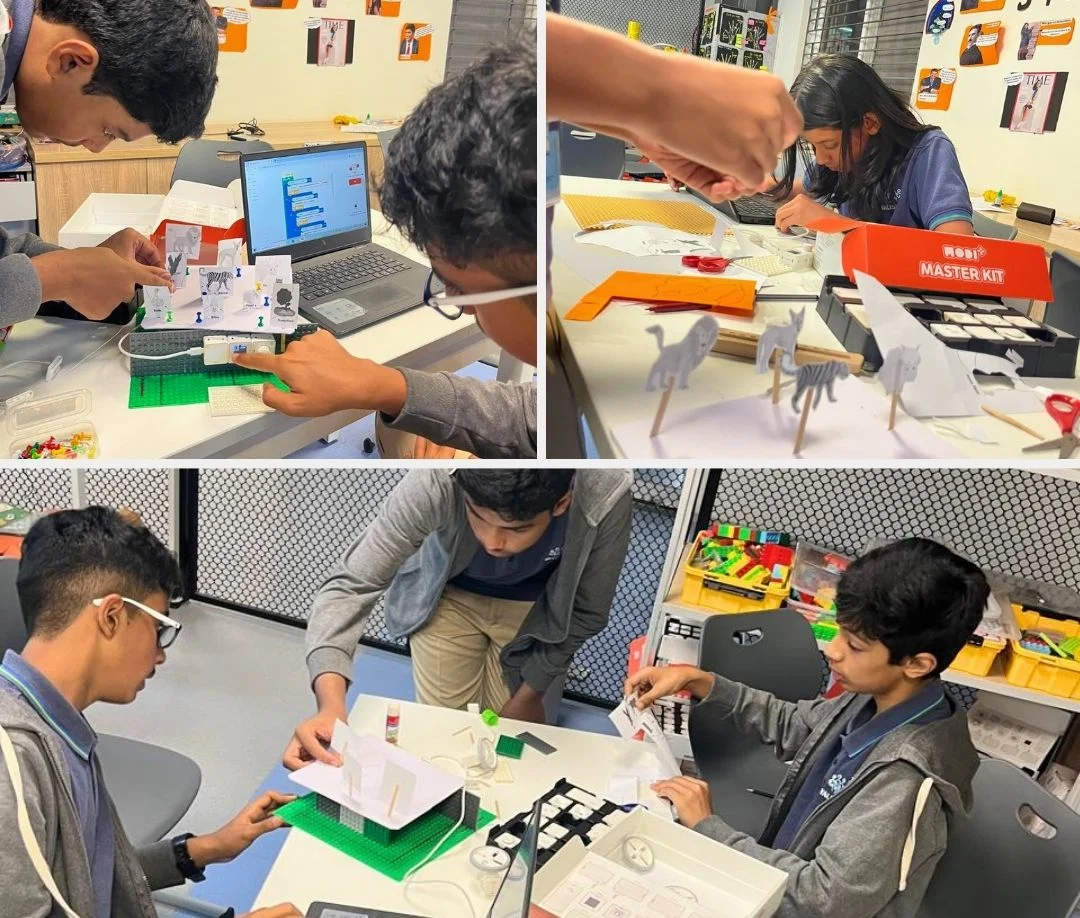
In an impressive display of interdisciplinary mastery, these young innovators transformed into wildlife documentarians by merging ecological science with advanced robotics. Moving beyond static diagrams, the learners engineered a "Mini TV" from the ground up, utilizing Level 3 block coding to bridge the gap between hardware and software. By integrating a dial module, they programmed complex logic that allowed users to physically "tune in" to different trophic levels, mimicking a real-world National Geographic broadcast.
This hands-on STEM integration didn't just teach them about producers, consumers, and apex predators; it required them to simulate the very co-dependency they were studying. Through this creative lens, the students proved that in both coding and nature, every component - whether a line of code or a member of a food chain-is vital to the stability of the entire system.